In the good old days, children played outdoors for hours, only coming home when they were hungry – isn’t that the story? Well it’s not quite how I remember it but apparently, the majority of children today spend less than 60 mins outside a day, which is less than prison inmates.
Richard Louvv in his book ‘Last Child in the Woods’ coined the term ‘Nature deficit disorder’ not as a medical condition but a social one. He is part of a growing movement of awareness and change around improving the relationship that people have with nature. Statistics like those mentioned are pretty depressing with children spending more time indoors at screens, and less time outside, especially for unstructured time.
His later book ‘Vitamin N’, Louvv talks about Nature as an essential nutrient for a healthy human. Its makes sense, our bodies evolved to spend our waking ours outside; working, hunting etc. We have understood that our bodies and minds need exercise but what about the other things we gain from being outdoors rather than in? Reporting from a study on Nature Connection, head of psychology at the University of Derby, Dr Miles Richardson, explains, “There is a need to normalise everyday nature as part of a healthy lifestyle,” in this article on BBC Earth.
Interestingly, Dr Richardson recently published a paper showing that nature based education is not necessarily what we need to feel connection to nature. Learning bird names therefore does not reap the same benefits as enjoying the birdsong.
Forest schools is one successful part of the movement, a Scandinavian concept being used within traditional education settings.
Forest school offers learners opportunities to develop self esteem through hands on learning in a woodland setting. The emphasis is on self awareness, practical learning, team working & independence. Benefits include; learning about risk taking – through opportunities to safely test out a child’s own abilities, improved emotional intelligence, and building comfort and familiarity in natural spaces.
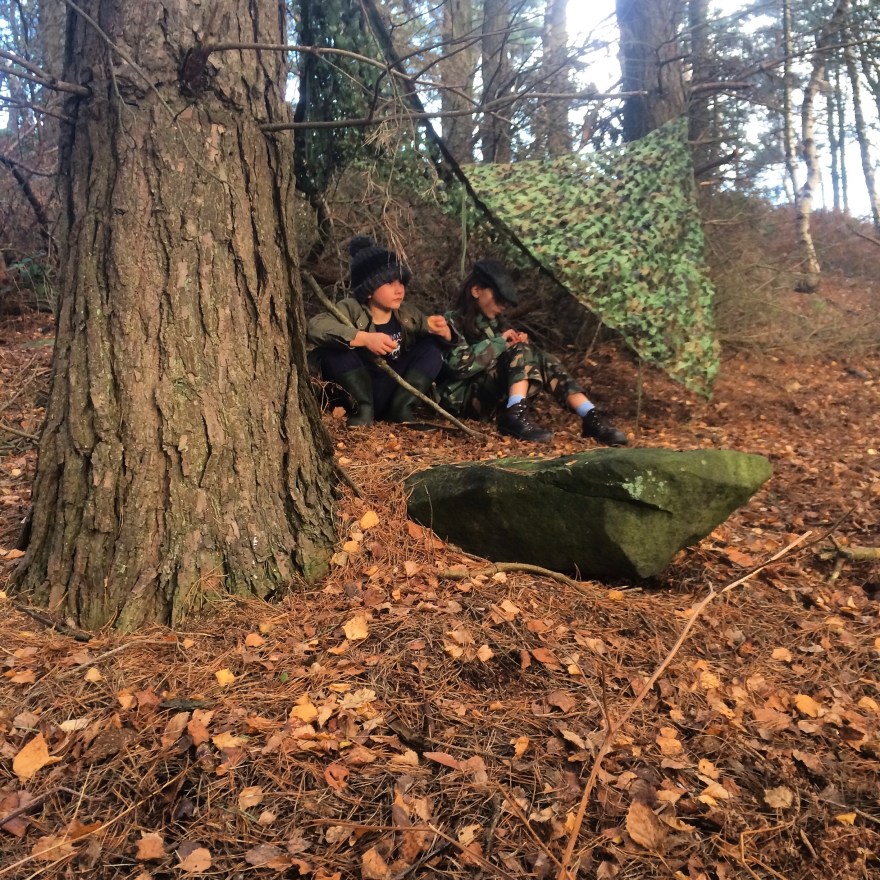
Wherever possible I design wild play spaces into my gardens, at first I was aesthetically driven, keen to use natural materials and avoid the bright plastic toys, but soon I saw the benefits of unstructured play, of forest schools type activities and wild ‘down time’ with my own children. Now I maximise opportunities within family gardens for this.
When I take my two children to our allotment for example; they don’t do much weeding or seed sowing, when space allows they might build a den, or create a game for themselves, mostly they just dig holes, build fairy gardens or graze on the fruit. In the woods they will play with sticks for hours, clearing leaves out of the streams.
Wild Child Garden Ideas;
- The wildlife trusts run ’30 Days Wild’ each July for the month with great ideas of how to get back to nature.
- Our year outdoors – offers tips for getting more outdoor time as a family, including advice such as ‘don’t let weather stop you’
- The National Trust has some brilliant ideas in their outdoor play spaces, stepping stone logs etc. Check out my pin board for some ideas.
- Within a garden I usually identify or recommend a flexible space for kids to play which can be adapted as they grow and change.
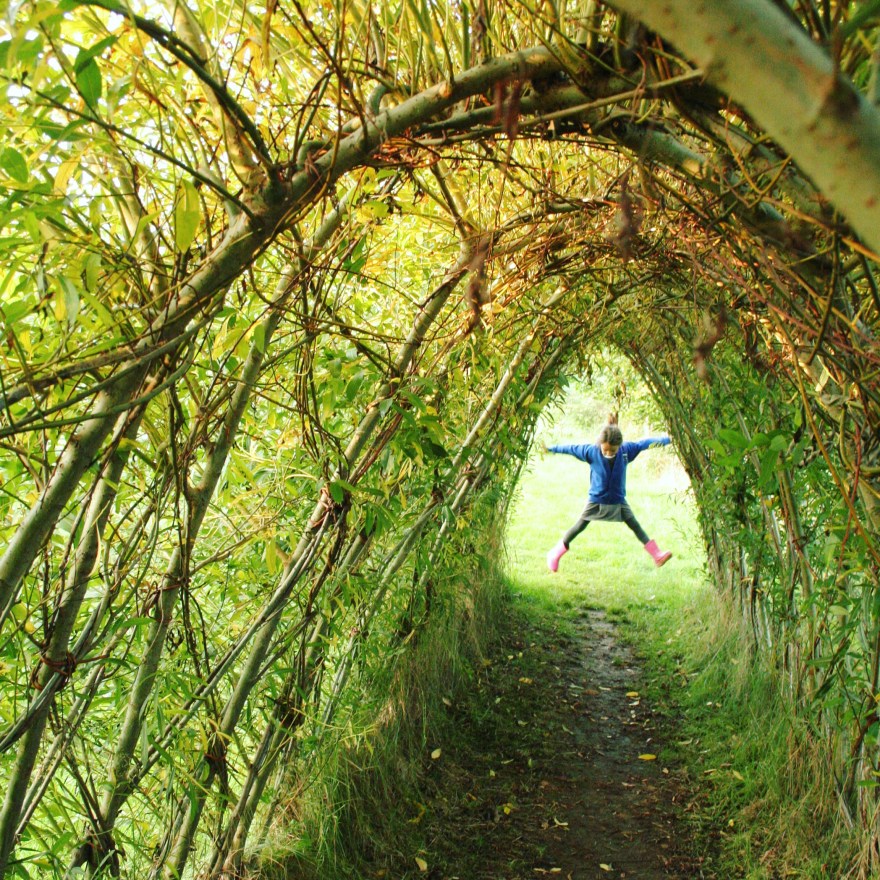
- Utilise sturdy shrubs or trees, where the site has no existing trees – living willow can create a quick, robust result
- Add a tree swing or some log stools for a seating area, where space allows maybe a circle for chatting and eating, creating opportunities for sharing and listening
- The youngest children like a mud pit or sand pit
- Open ended play objects create opportunities for imaginative play and learning. Rather than a swing ball for example, a pile of branches, can be a den or a climbing structure or markers on the ground for limitless games.
- Use natural materials – logs, rocks, tools, space for a fire – where appropriate, a tarpualin and rope.
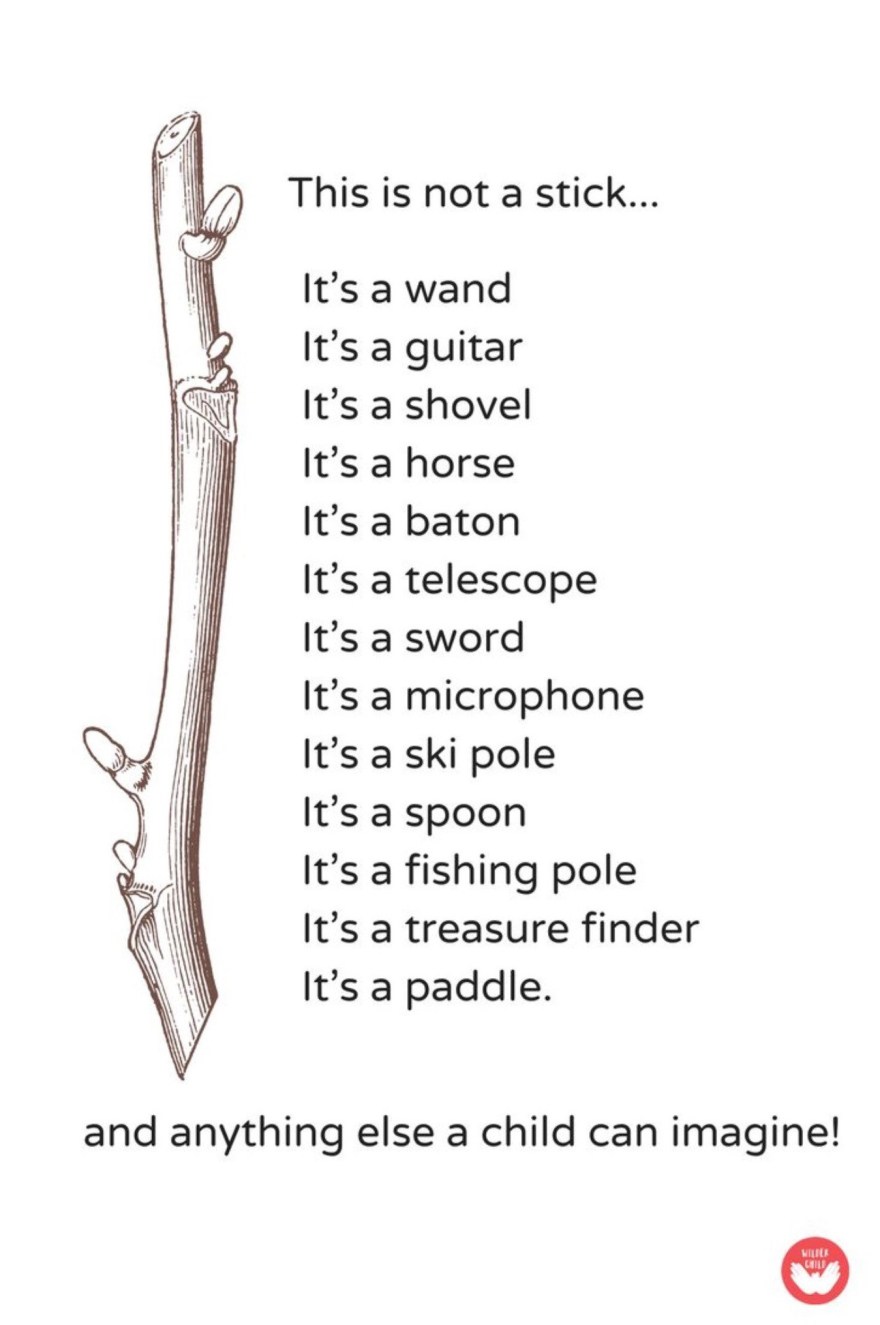
Kids thrive in natural environments, they are designed to learn and grow in nature. As are adults, of course. Ask yourself what are your best childhood memories?





 Renee Brailsford Gardens