Bulbs for your garden & planting schemes

Shopping for bulbs is such fun, like a gift to your future self. The choice is endless so when selecting bulbs for your own garden or for large scale planting schemes – many of the same rules apply.

I select reliable and recommended varieties and plant them in generous drifts to create impact and a successional effect. A good rule of thumb is to have a limited amount of species but in a large quantity to get impact.

Spring bulbs – planted in autumn;
  • Chionodoxa ‘Blue Giant’ (now remamed Scilla fobesii ) – a favourite – at 15cm tall it is great for rockeries or in lawn to create early march flowering starry blue carpets.
  • Mini Daffodils such as Narcissus tete a tete are popular for a good reason too – 15cm tall, robust splashes of colour. Good on banks and in pots.
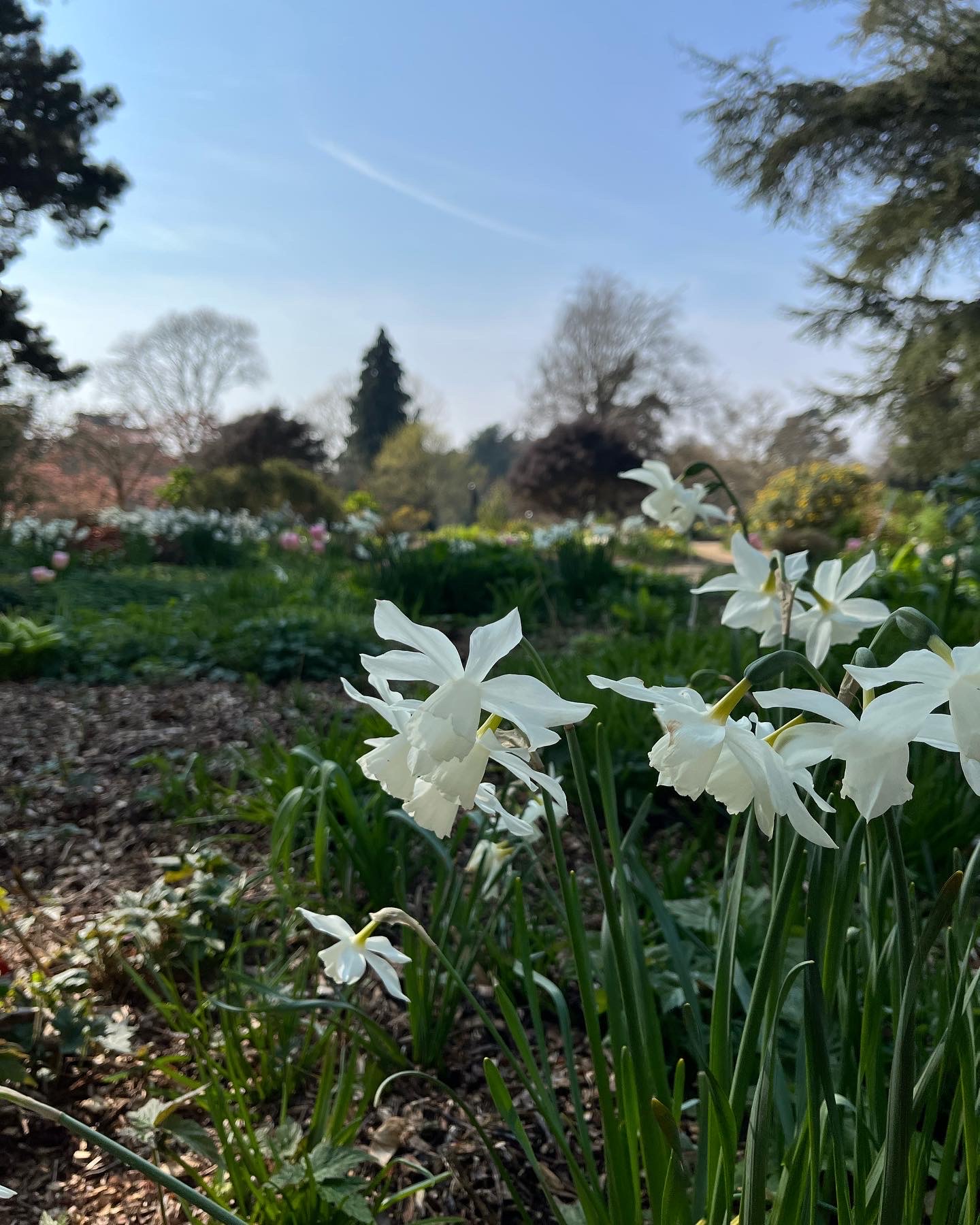
  • For meadow areas, naturalising daffodils ( which will seeds and spread over time)  Narcissus recurvus, around 40cm tall. A tastefully pale flower with a pheasants eye centre. Good for pollinators.
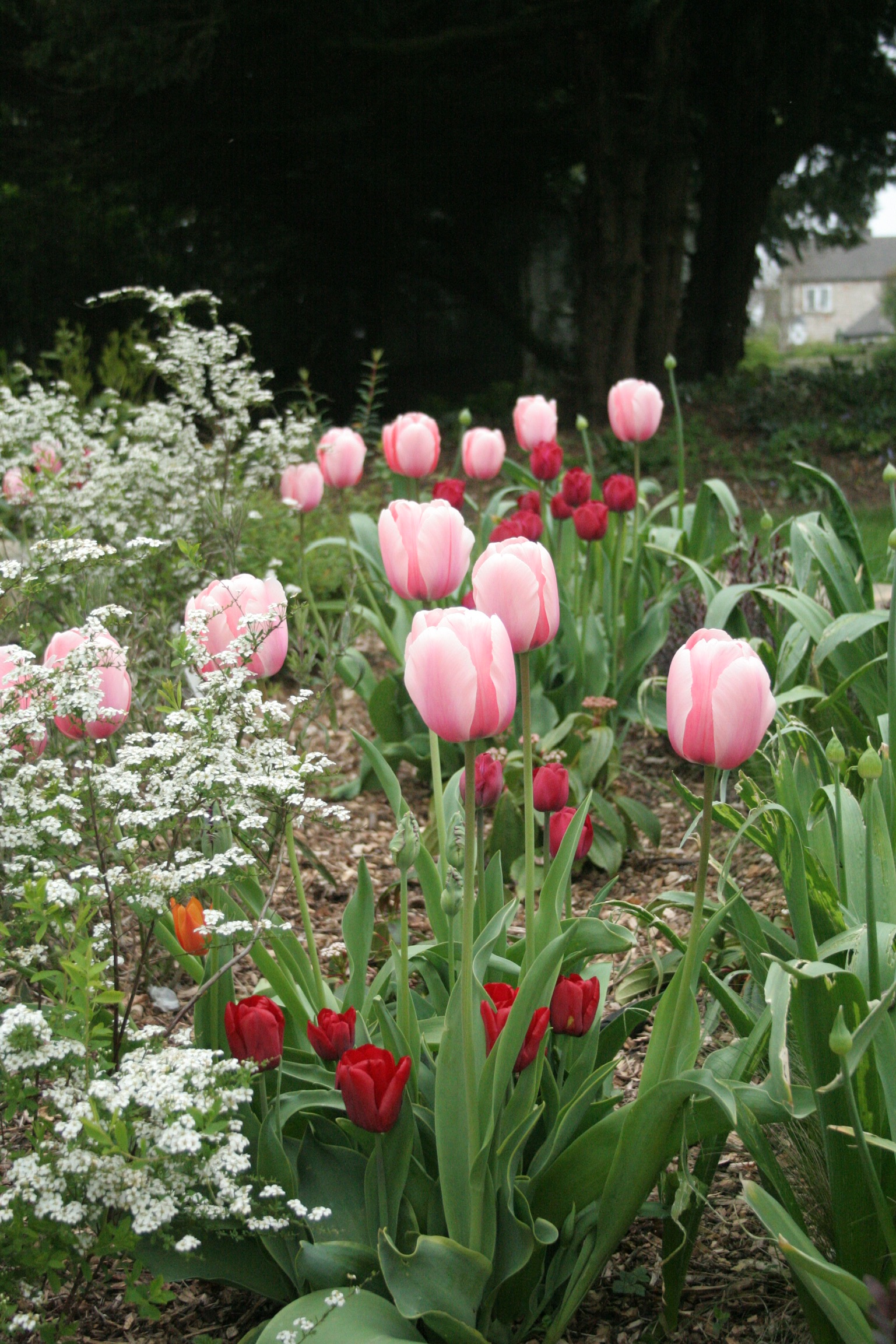
  • For maximum colour options – tulips are the ‘go to’, however not all tulips will reliably come back each year so I tend to group them in small beds or containers which can be positioned and retrieved. Tulips like sun and warmth. I often mix 2 colours together and repeat the clumps around the garden. Tip; Later tulips are less likely to get weather beaten if you’re choosing for an exposed site.

Summer bulbs ( also planted in autumn)
  • Alliums – I use the drumstick allium – The almost unpronouncable Allium sphaerocephalon. (50cm tall) In generous drifts through grasses and sedums and asters – the bees love this one! It will set seed and naturalise too.
  • Camassia – 60cm tall – I describe these as being like a giant bluebell, Excellent in borders and meadow areas, with moist soil, and lightly shaded parts of the garden. I grow the white variety at home, its marvellous watching it open up as it gets taller.

Remember to store bulbs carefully whist waiting to plant them, and think about protection from pests; Pheasants, cats, birds and mice can be a real nuisance. Chicken wire over pots, or pea netting under turf for large area meadow areas can help.

If you need help selecting bulbs for a project drop me a message contact us
Time for Tulips, Daffodils and Alliums – tips for planting bulbs

‘Choose colours to compliment your early flowering alpines, spring blossom or hard landscaping.’ 

Tulips lift an emerging spring garden with a riot of colour and are well worth planting in bulk – so often I see gardens with a handful of bulbs here and there, but whenever I come across a more generous display the results are staggering. Even a small garden will benefit from drifts across several smaller borders to extend your flowering season, bring the garden together and will hopefully lure you outside to enjoy the magical fresh spring air. I often suggest to people that they plant tulips in old plastic plant pots, to plant them out into the garden, pots and all, once the shoots emerge – thus placing them perfectly without disturbing other plants and lessening the chance of disturbance.

To ensure good flowering each year – it is best to treat tulips as bedding – ie; replace each year with new stock or perhaps try species tulip which will naturalise (return each year and spread) given the right setting. Mid to late season tulips tend to be more robust and will withstand the often turbulent weather. The classic red tulips are always a wonderful sight, also pale creamy tulips with green tinges give a fresh calm feel against evergreens, but my favourites are the almost black ‘queen of the night’ and slightly curled, purple ‘blue parrot’.

Daffodils aren’t really considered fashionable by some, but honestly who can really resist that traditional seasonal lift they bring? Ever since living in Derbyshire, I have come to look forward to the early colour that daffodils bring against all the grey stone walls of a long local winter. Although they don’t technically work with my colour schemes, I find that they are early enough not to coincide with the palette that follows. Another bonus with daffodils is that they are very reliable and need very little attention. You can plant them almost anywhere in the garden and simply forget about them – they’ll keep coming back each year. I like the miniature variety ‘tete a tete’, and there are many beautiful varieties; some bold, some dainty – check out http://www.blomsbulbs.com for a wide selection.

Alliums now, are considered very fashionable, almost de rigeur for many a show garden. Typically globe shaped clusters of flowers on long stems, these ornamental onions are enjoyed for elegance and early summer colour, with the added bonus of lovely delicate seedheads for winter frosts. Some are just plain whacky like Allium ‘hair’,’purple sensation’ is the classic purple headed globe, I’m keen on ‘sphaerocephalon’ at the moment for a more natualistic scheme

Plant tulips, daffodils, alliums anytime from september to the end of december for flowering next spring. Choose colours to compliment your early flowering alpines, spring blossom or hard landscaping. The key is to be generous  – you’ll thank yourself.